

The Importance of Pediatric Eye Exams for Learning and Development
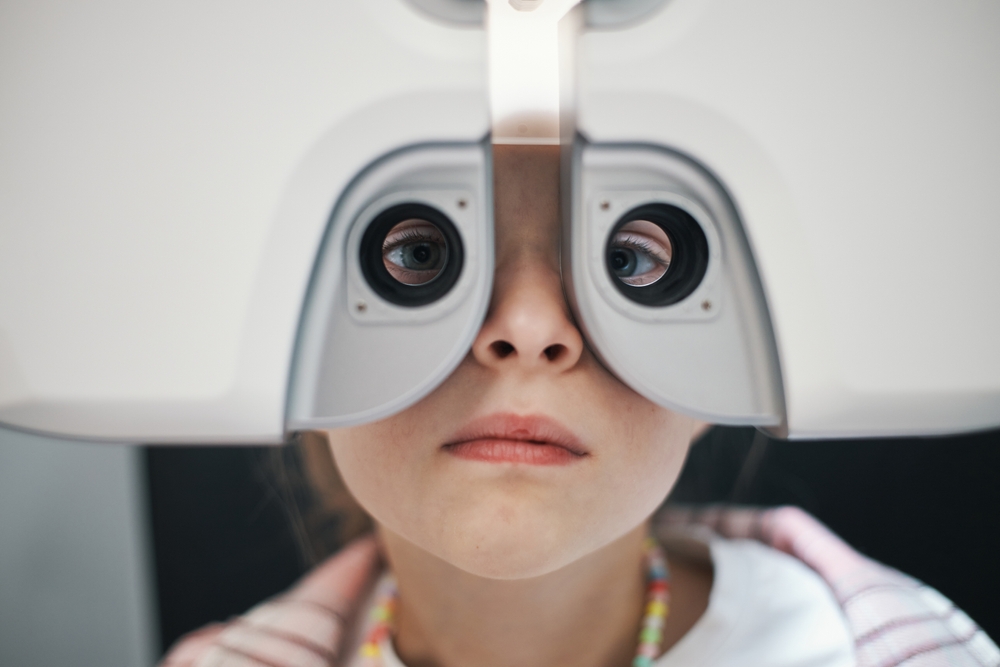
When a child has trouble in school, parents usually consider tutoring or testing for learning disabilities. However, vision is often missed, even though it is crucial for learning. If a child cannot see well, everything becomes more difficult. This is why regular pediatric eye exams matter.
What Are Pediatric Eye Exams?
When conducting a pediatric eye exam, an eye doctor, either an optometrist or ophthalmologist, carefully checks a child’s vision and eye health. Unlike quick screenings at school or the pediatrician’s office, a full exam looks at much more than just how far a child can see.
The doctor puts drops in your child’s eyes to make the pupils bigger, which helps them see inside the eye clearly. They check for nearsightedness, farsightedness, how the eyes work together, tracking, focusing, and overall eye health. These exams find problems that simple screenings can miss.
Why Pediatric Eye Exams Matter for Learning and Development
- They Detect Hidden Vision Problems
A child might have 20/20 vision but still struggle with learning. Problems with how the eyes work together, track, or focus do not show up in basic screenings. A full eye exam can find these issues.
- They Prevent Reading Struggles
If words look blurry, double, or seem to move on the page, reading becomes tiring for kids. They may lose their place, read slowly, and get too tired to understand what they read. Eye exams can find out why.
- They Improve Attention and Behavior
Kids who find reading uncomfortable often avoid it by fidgeting or moving around. This can look like an attention issue. But sometimes, tired eyes are the real cause. Fixing the vision can often fix the behavior.
- They Boost Confidence
Kids notice when they have a harder time than their friends. They might get frustrated, act out, or stop trying. Over time, this can hurt their self-esteem. Good vision helps them keep up and feel more confident.
- They Support Classroom Participation
A child who cannot see the board falls behind. But there are subtler effects, too. Poor hand-eye coordination or trouble judging distances can make them avoid sports and games. Eye exams help them fully join in.
- They Catch Problems Early
Some eye problems, like amblyopia, are easiest to treat when children are young. If not treated early, they can lead to permanent vision loss. Regular eye exams catch these problems when treatment works best.
- They Protect Long-Term Eye Health
Eye exams do more than check vision. They also look for signs of eye disease. Finding problems early helps protect a child’s eyesight for life.
- They Help With Hand-Eye Coordination
Vision helps guide the hands. If a child has trouble catching a ball, copying from the board, or writing neatly, an eye exam can show if vision is the reason.
- They Reduce Headaches and Eye Strain
Headaches after doing schoolwork can be a warning sign. Often, it means the eyes are working too hard. Eye exams can find out why and offer solutions.
- They Give Every Child a Fair Chance
Learning is already challenging without vision problems. Regular eye exams help make sure every child can see clearly and learn with ease.
Don’t let vision problems keep your child from reaching their best. Support their learning and confidence with a full pediatric eye exam at Brianna Herring O.D. Our offices are in Deerfield Beach and Plantation, Florida. Call us today at (786) 891-2020 or (954) 472-2676 to book your visit.

All Eye
Care Services

Keep
In Touch
MAP
© 2026 Brianna Herring O.D. . All Rights Reserved. Accessibility Statement - Privacy Policy - Sitemap
Powered by: 